
KEYNOTE SPEAKERS
Mark Kirkpatrick
The University of Texas at Austin, USA
Kirkpatrick received a BA from Harvard and a PhD from the University of Washington. Following a Miller Postdoc at Berkeley, he took a job at the University of Texas where he has been ever since. Kirkpatrick is a member of the National Academy of Sciences and a fellow of the American Association of Arts and Sciences. His research is in the field of population genetics, and focuses on themes that include the evolution of chromosomes and sex determination.
Joana Meier
The Wellcome Sanger Institute and University of Cambridge, UK
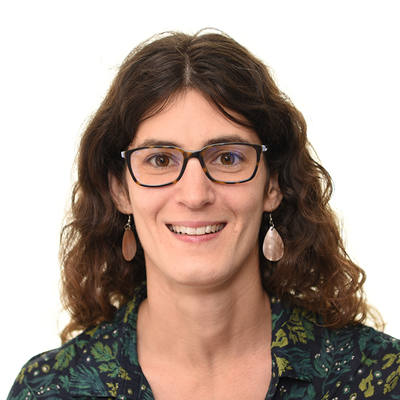
Joana is an evolutionary biologist excited by the powerful opportunities genome sequencing provides to explore how biodiversity evolves, in particular why biodiversity is so unevenly distributed across the tree of life. Most lineages evolve new species at a slow pace of one species per multiple million years, whereas much of biodiversity is thought to have evolved through bursts of diversification in a few lineages. Often these bursts represent adaptive radiations, where a lineage diversifies into many species adapted to different ecological niches. It remains enigmatic why some lineages are prone to such radiations, whereas others never do so. Whole-genome data now allows testing predictions of the role of hybridization and other factors facilitating diversification, such as a simple genetic architecture of speciation traits or chromosomal rearrangements. Her team works on different animal and plant groups to explore these factors by combining genomics with ecological and behavioural studies.
Jeffrey Groh
University of California Berkeley, USA
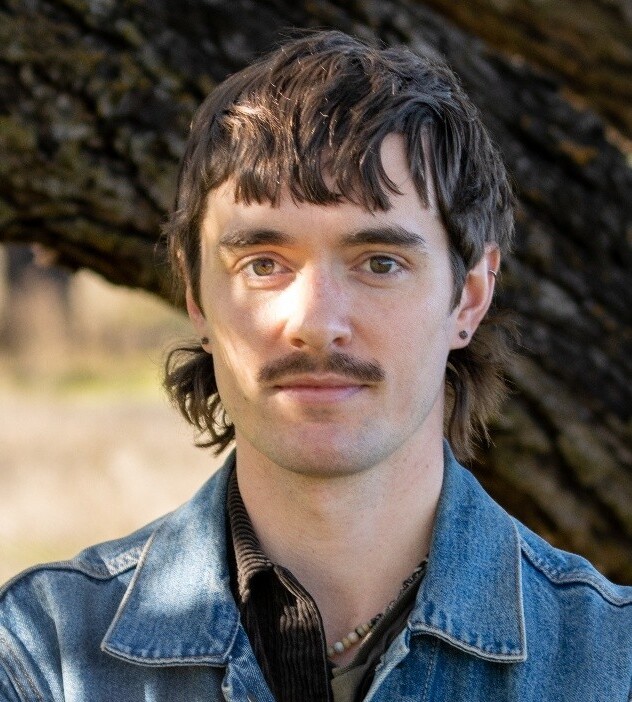
Jeff is an evolutionary geneticist interested in how natural selection shapes genetic variation and organismal adaptations. His research focuses on the evolution, ecology, genomics, and genetic regulation of mating systems, using flowering plants as models for understanding the resolution of sexual conflict in hermaphrodites and the role of balancing selection in maintaining alternate reproductive strategies in natural populations. More broadly he works on questions related to hybridization, population divergence, and temporal niche adaptation. He is currently a Miller Postdoctoral Fellow at UC Berkeley where
he works with Noah Whiteman and Ben Blackman.